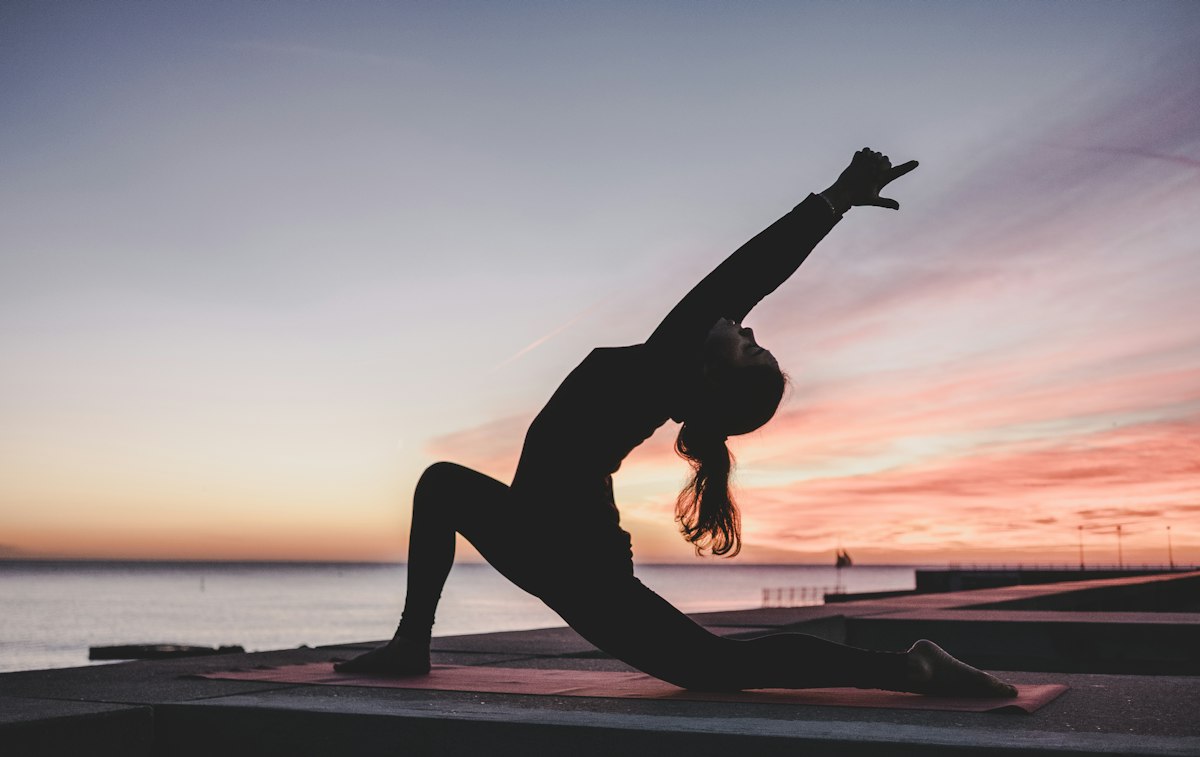
1. Mountain Pose (Tadasana)
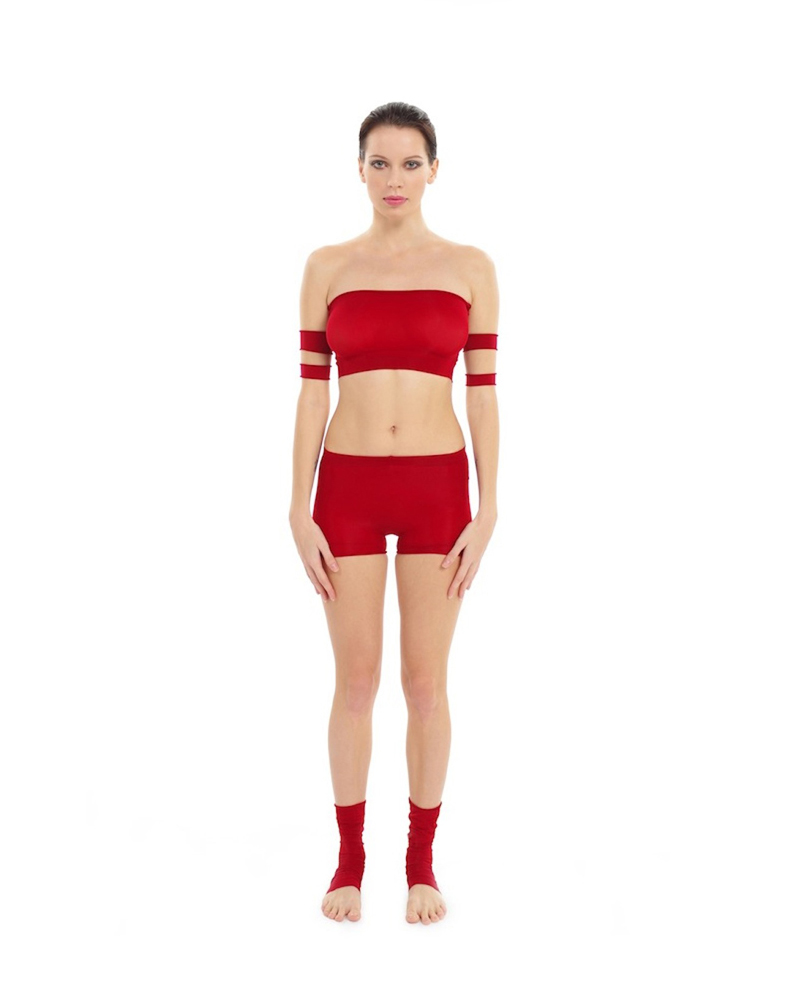
Tadasana looks like simply standing, but it is the template for posture in every other pose — and a real practice in its own right. Stand with your feet together or hip-width apart, weight spread evenly across the whole of each foot. Gently lift the kneecaps, lengthen your tailbone down, draw the lower belly in, and let the crown of your head float up so the spine is long. Roll the shoulders back and down, arms relaxed by your sides with the palms facing forward, and breathe slow and steady.
What it does: it retrains everyday posture, builds body awareness, strengthens the legs and core, and settles the mind — the calm, grounded base you return to between poses.
- Key cue: imagine a thread drawing the crown of your head towards the ceiling, lengthening the whole spine.
- Common mistake: locking the knees or over-arching the lower back — keep a micro-bend and a long, neutral spine.
- Hold: 5–8 slow breaths.
2. Downward-Facing Dog (Adho Mukha Svanasana)
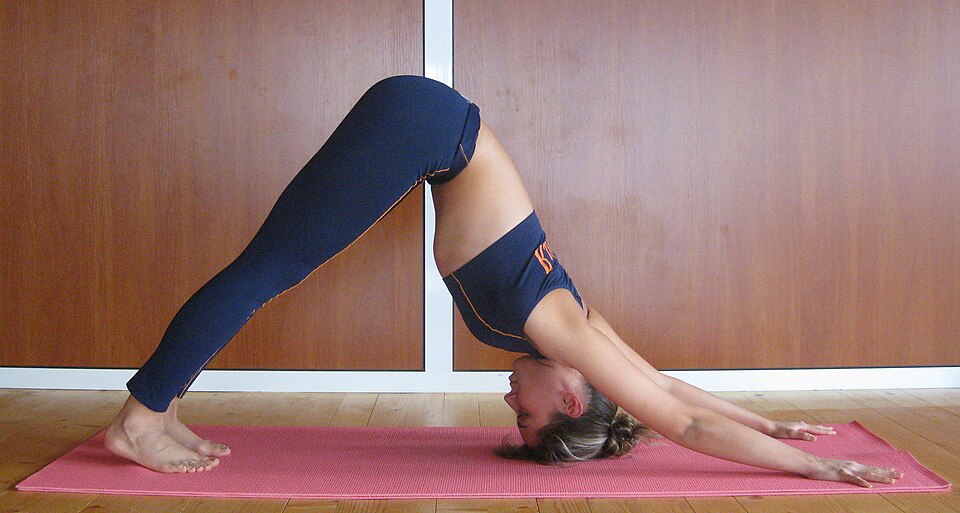
From hands and knees, spread your fingers wide, tuck your toes, and lift your hips up and back into an inverted V. Press the floor away through your hands, lengthen your spine, and let your head hang freely between your arms. Bend your knees as much as you need — a long, straight spine matters far more than straight legs or heels touching the floor.
What it does: it stretches the hamstrings, calves and whole back body, strengthens the arms, shoulders and wrists, and gently energises — one of the most useful all-round poses there is.
- Key cue: send your hips up and back, not your chest down; make the spine long rather than the legs straight.
- Common mistake: rounding the upper back and dumping weight into the wrists — press evenly through the whole hand and lift the hips.
- Easier option: bend the knees generously, or ‘pedal’ the feet to ease into it.
3. Cat–Cow (Marjaryasana–Bitilasana)
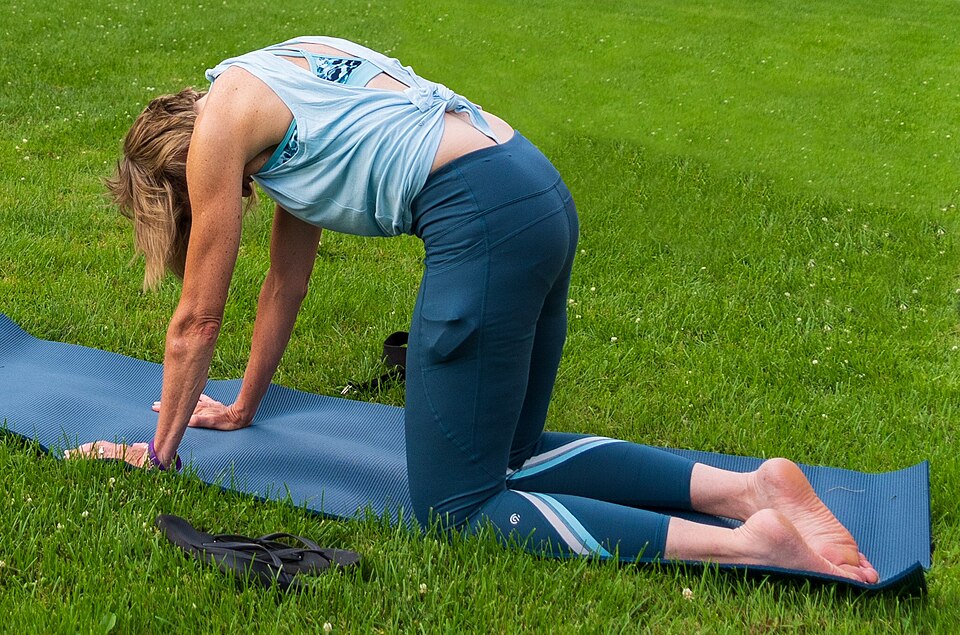
On all fours — wrists under shoulders, knees under hips — inhale as you drop your belly, lift your chest and tailbone and look gently forward (Cow); exhale as you round your spine towards the ceiling, tuck your chin and draw the navel in (Cat). Flow slowly between the two, letting each movement ride a full breath.
What it does: it mobilises and warms the entire spine, eases back and neck tension, and links movement to breath — the ideal gentle warm-up to begin almost any practice.
- Key cue: let the breath lead the movement, not the other way around.
- Common mistake: rushing — move at the pace of one slow, full breath per position.
- Repeat: 6–10 slow rounds.
4. Child's Pose (Balasana)
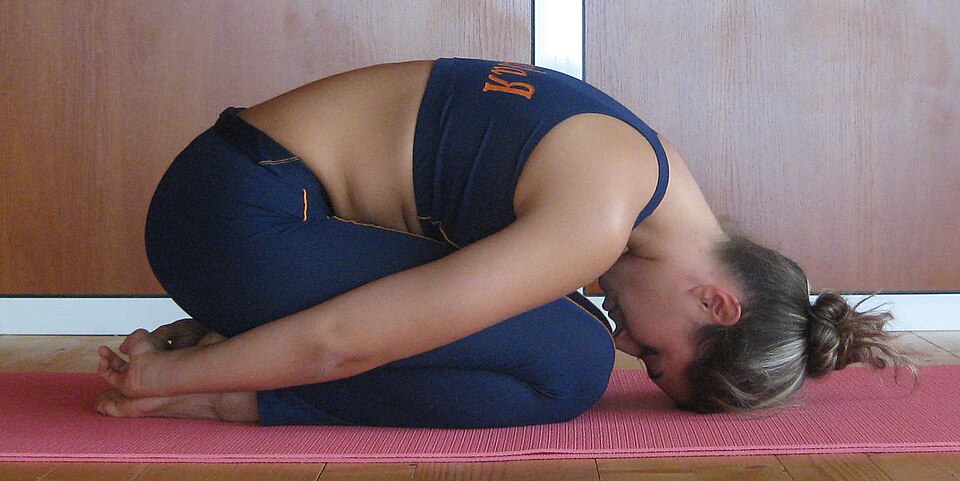
Kneel on the mat, bring your big toes together and let your knees fall wide, then sink your hips back towards your heels and fold forward, resting your forehead on the mat. Stretch your arms forward for a fuller stretch, or lay them back alongside your body to rest completely, and breathe into the back of your ribs.
What it does: it is your reset button — a resting pose that releases the lower back, hips and shoulders, calms the nervous system, and gives you somewhere to pause any time a class feels like too much.
- Key cue: let the whole body soften and the breath slow right down.
- If it’s tight: place a cushion or folded blanket under your hips or forehead, or widen the knees further.
- Hold: anywhere from 30 seconds to a few minutes.
5. Cobra Pose (Bhujangasana)
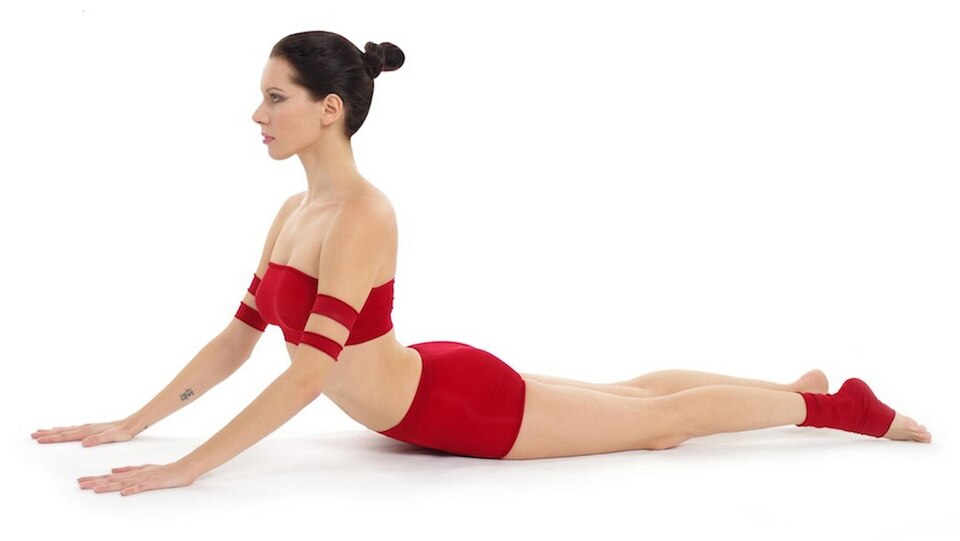
Lie on your front, legs together, tops of the feet on the floor. Place your hands under your shoulders with the elbows hugged into your sides. Pressing lightly through your hands, use your back muscles to peel your chest off the floor into a gentle backbend, keeping a bend in the elbows and the shoulders drawing down away from your ears.
What it does: it strengthens the muscles along the spine, opens the chest and the fronts of the shoulders, and directly counteracts the rounded-forward posture of desk and phone life.
- Key cue: lead with the heart, not the chin — favour length in the spine over height.
- Common mistake: pushing up hard with the arms and crunching the lower back; keep the effort in the back muscles and the hips grounded.
- Hold: 3–5 breaths, then rest.
6. Warrior II (Virabhadrasana II)
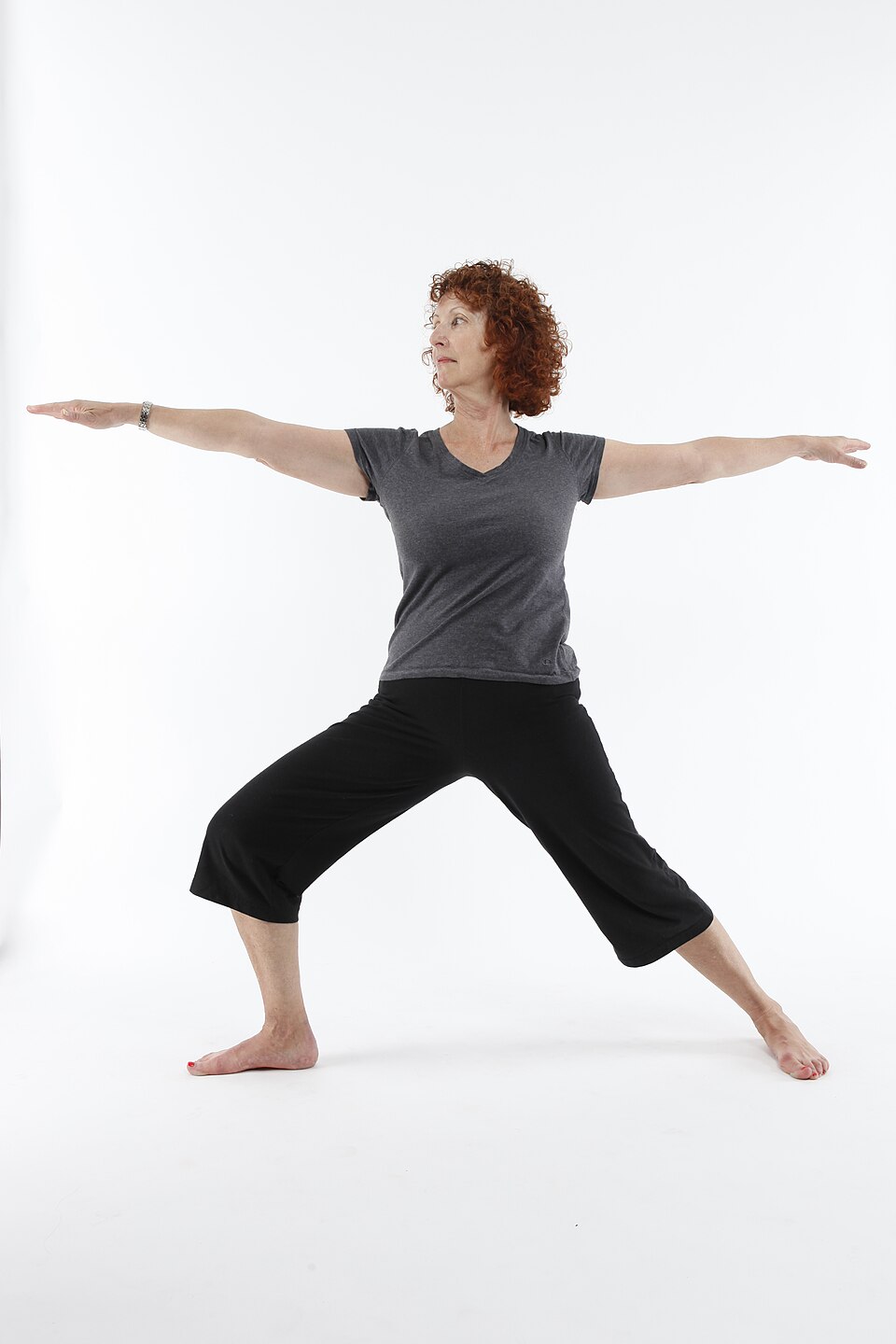
Step your feet wide apart. Turn your front foot out to point straight ahead and angle the back foot slightly in. Bend your front knee until it stacks directly over the ankle, keep the back leg strong and straight, and extend your arms out to the sides at shoulder height, gazing softly over your front hand. Sink the hips and stay steady.
What it does: it builds strength and stamina in the legs and core, opens the hips and chest, and cultivates focus, steadiness and a sense of quiet power.
- Key cue: your front knee should point the same way as your front toes — never let it collapse inward.
- Common mistake: leaning forward over the front leg; keep the torso upright and centred between the feet.
- Hold: 3–5 breaths each side.
7. Tree Pose (Vrksasana)
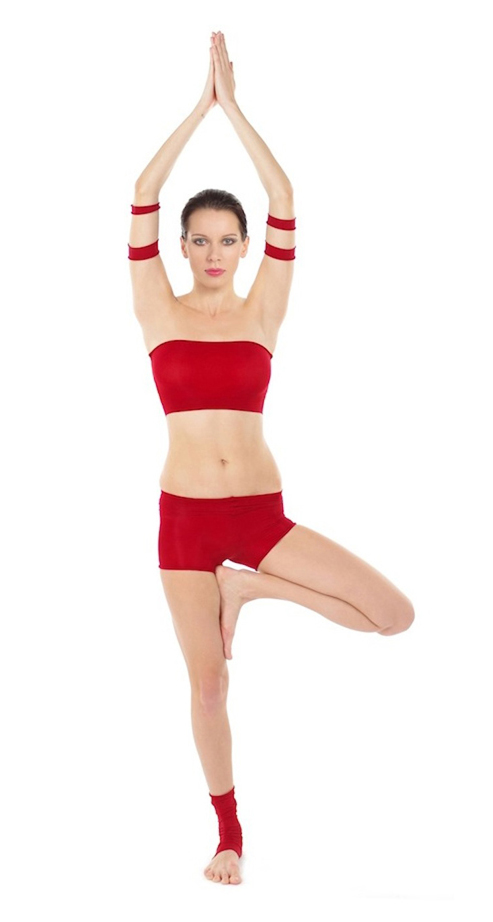
From standing, shift your weight onto one foot. Turn the other knee out and place the sole of that foot on your inner ankle, calf or inner thigh — never against the knee joint. Find your balance, then bring your palms together at your chest or reach your arms overhead like branches, and fix your gaze on a single still point ahead.
What it does: it improves balance, focus and concentration, and strengthens the standing leg, ankle and foot — and it is genuinely enjoyable to practise as you steady.
- Key cue: a steady gaze (drishti) and steady breath are what hold you up — press the foot and leg firmly into each other.
- Common mistake: resting the foot on the side of the knee; keep it above or below the joint.
- Hold: 5 breaths each side — wobbling is part of it.
8. Bridge Pose (Setu Bandha Sarvangasana)
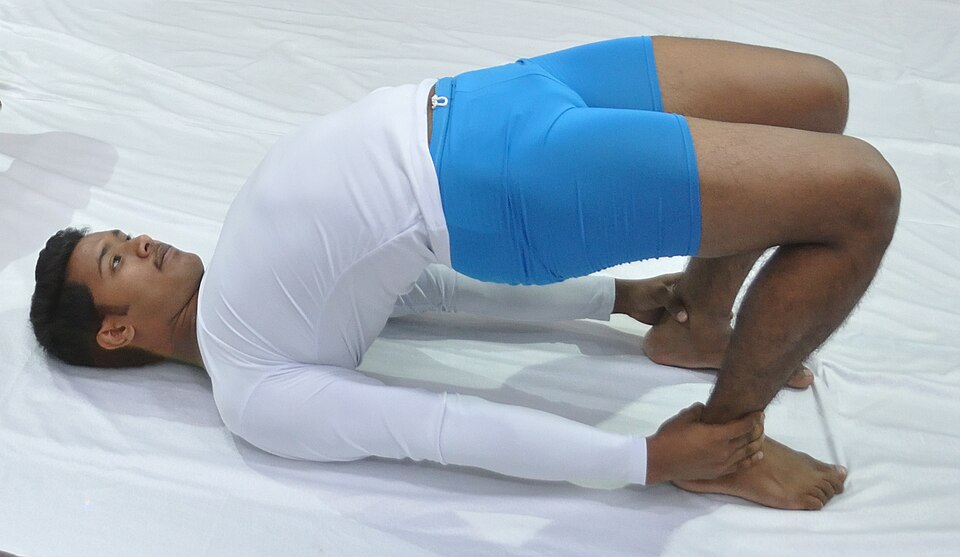
Lie on your back with knees bent, feet flat and hip-width apart, drawn in close enough that your fingertips can graze your heels. Press down through your feet and lift your hips towards the ceiling, keeping your thighs parallel. Roll the shoulders under and, if it is comfortable, clasp your hands beneath you, keeping the chin slightly away from the chest.
What it does: it strengthens the back, glutes, hamstrings and legs, gently opens the chest and hip flexors, and energises the body — an excellent antidote to sitting all day.
- Key cue: press evenly through both feet and keep the knees tracking straight ahead over the toes.
- Common mistake: letting the knees splay outward; lift from the legs and feet rather than gripping the glutes.
- Hold: 5 breaths, then lower slowly, one vertebra at a time.
9. Seated Forward Bend (Paschimottanasana)
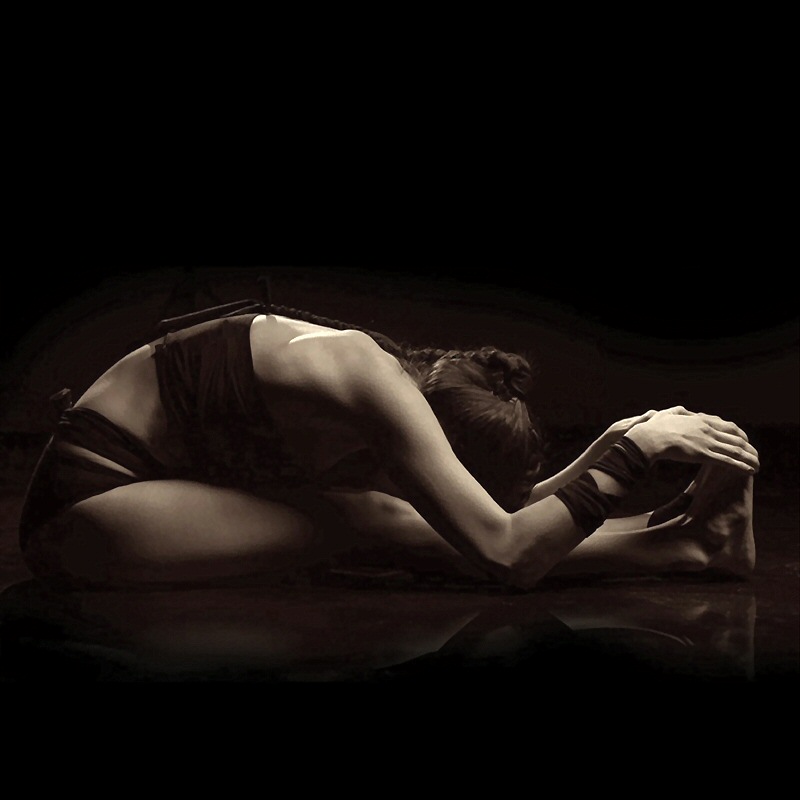
Sit tall with your legs extended straight in front of you. Inhale and lengthen your spine, then exhale and hinge forward from the hips — not by rounding the waist — reaching towards your feet, shins or thighs, wherever you comfortably reach. Let your head be heavy, keep the spine as long as you can, and breathe.
What it does: it stretches the hamstrings, calves and the whole back of the body, gently decompresses the spine, and has a distinctly calming, inward effect on the mind.
- Key cue: fold from the hip creases with a long back — a straight spine reaching halfway is worth far more than a rounded one grabbing the toes.
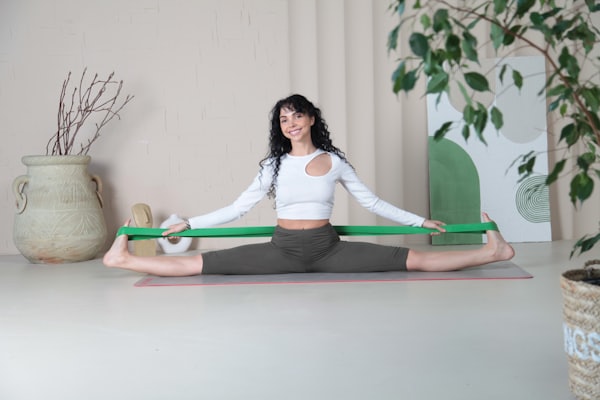
- If it’s tight: bend the knees generously, or loop a strap or belt around the feet.
- Hold: 5–10 slow breaths.
10. Corpse Pose (Savasana)
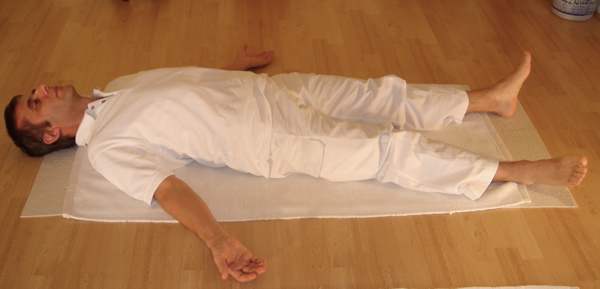
Lie flat on your back, legs relaxed and a little apart, arms resting by your sides with the palms turned up. Close your eyes, let the whole body grow heavy and completely soft, and allow the breath to become natural and quiet. Do nothing at all for a few minutes — this stillness is the pose.
What it does: it is where the practice settles into body and mind — deep rest that lowers stress, calms the nervous system and lets everything you have just done integrate. Never skip it.
- Key cue: release even the effort to relax; simply let go and follow the natural rhythm of the breath.
- If the mind races: gently count your exhalations, or do a slow head-to-toe body scan.
- Hold: 3–5 minutes at the end of every practice.
How to practise these safely
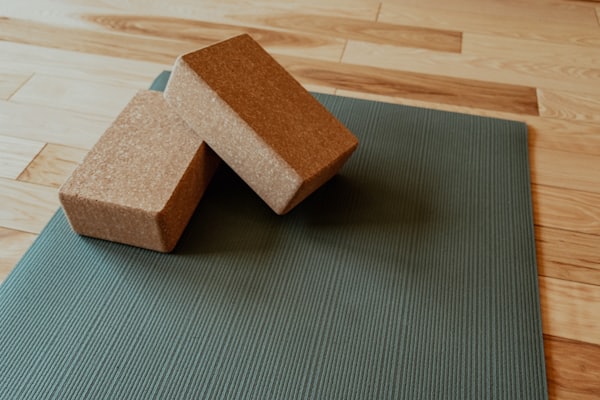
A few principles keep beginners safe and progressing. Always warm up gently before stronger poses. Move slowly and breathe steadily — if you are holding your breath, you are trying too hard. A pose should feel like a stretch or an effort, never a sharp pain; ease off the moment it does. Use props freely — a cushion, a folded blanket or a couple of books make many poses more accessible, not less. And listen to your body over any instruction: it knows more than any picture or teacher.
Putting it together
These ten poses already form a simple practice. Begin with Mountain Pose and a few rounds of Cat–Cow to warm up, move through Downward Dog, Cobra, Warrior II and Tree to build strength and balance, cool down with Bridge and a Seated Forward Bend, and always finish in Savasana. Ten to fifteen minutes is plenty to start.
When you are ready for feedback and to go further, a live class or a beginner-friendly retreat is the natural next step — a good teacher will refine your alignment and open up everything these ten poses lead towards. You can find verified beginner-friendly schools and retreats worldwide on YogaStay whenever that time comes.
Ready to find your retreat?
Browse verified yoga schools and retreats worldwide — accommodation included, no booking fees.
Browse retreats →Frequently asked questions
Which yoga pose should a beginner learn first?
Mountain Pose (Tadasana). It looks simple but teaches the posture and alignment that every other standing pose is built on.
How long should beginners hold each pose?
Around 3–5 slow breaths is a good start. Rest in Child's Pose whenever you need to, and never hold a pose through pain.
Do I need to be flexible to start yoga?
No — flexibility is a result of practice, not a requirement for it. Bend your knees, use props and work within your own range; it improves quickly.