
Little and often beats big and rare
The body and nervous system adapt to what you do repeatedly, not to what you do occasionally. A single ninety-minute class leaves you stiff and virtuous for a day; ten focused minutes each morning slowly rewires how you move, breathe and feel around the clock. Consistency compounds — small daily inputs stack into changes that a heroic once-a-month effort simply cannot match.
Daily practice also removes the all-or-nothing trap. When yoga is a big event you have to schedule, it is easy to skip for weeks. When it is a short, familiar ritual, it survives busy days, travel and bad moods — and it is the surviving that produces the results.
What daily yoga does for your body
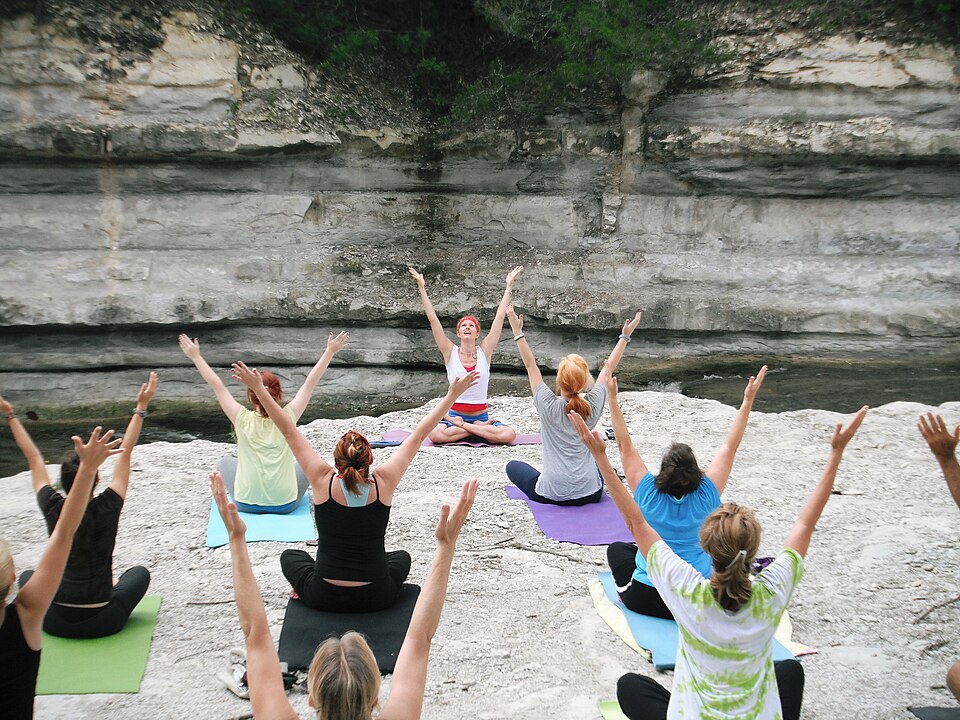
The physical case for a regular practice is strong and well documented. Practised consistently, yoga improves your mobility and flexibility, gradually restoring range of motion that a desk-bound, sedentary life quietly takes away. It builds functional strength — holding your own bodyweight in poses develops the deep stabilising muscles that machines at the gym often miss.
For the millions who suffer back and neck pain, gentle daily yoga is one of the most effective non-medical interventions there is, easing tension and correcting the postural habits that cause the pain in the first place. It sharpens balance and coordination — which matters more with every passing decade — and, through the slow, deliberate breathing that accompanies the poses, it improves lung capacity and breathing efficiency.
Over time, a daily practice supports heart health by lowering resting blood pressure and heart rate, aids digestion through twists and forward folds, and reliably improves sleep. None of this requires intensity — it requires repetition. Ten attentive minutes a day, most days, is enough to feel these shifts within a few weeks.
What daily yoga does for your mind
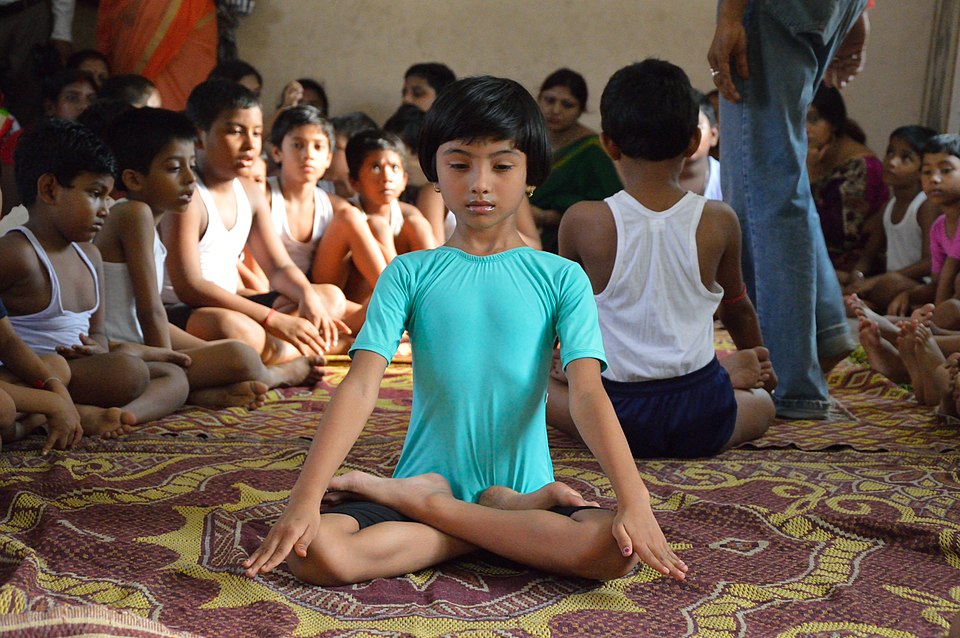
If the physical benefits get people onto the mat, it is the mental ones that keep them there. Yoga is one of the few forms of movement built around the breath, and controlled breathing is a direct lever on the nervous system. Slow, steady breathing switches the body out of fight-or-flight and into the rest-and-digest state, which is why even a short practice can leave you noticeably calmer.
Practised regularly, yoga is shown to lower stress and cortisol, reduce symptoms of anxiety and mild depression, and improve mood and emotional regulation — you become a little less reactive, a little slower to snap. Because it demands that you pay attention to sensation and breath, it also trains focus and presence, gently pulling you out of the mental churn of worry and rumination and into the here and now.
Perhaps most valuable of all, a daily practice builds self-awareness. You start to notice tension, mood and energy earlier — before they become a headache or an outburst — which gives you the chance to do something about them. In a distracted, always-on world, ten quiet minutes with your own breath is a small act of maintenance for your mental health.
The mind and body are one system
What makes yoga unusual is that it works on both at once. The physical poses release the tension that stress stores in the body — the tight shoulders, the clenched jaw, the shallow breath — while the breathing and attention calm the mind that created that tension. Each side reinforces the other. This is why people so often describe feeling not just looser but genuinely lighter after practice: you cannot fully separate a relaxed body from a settled mind, and daily yoga trains them together.
How much is actually enough?
Here is the good news: not much. You do not need ninety minutes, a studio, or the ability to touch your toes. A daily practice of ten to twenty minutes — a few rounds of gentle movement linked to the breath, a couple of standing poses, a forward fold and a few minutes of stillness — is enough to deliver most of the benefits above. On a rushed day, five mindful minutes still counts and still keeps the habit alive.
Aim for consistency over intensity. It is far better to practise a little every day than to attempt a punishing session once a week and burn out. The daily-ness is the active ingredient.
How to make it stick
The habit succeeds or fails on how easy you make it. A few things that reliably help:
- Anchor it to something you already do — roll out the mat right after you wake, or just before your evening shower, so you never have to remember.
- Keep the bar low. Promise yourself five minutes. On most days you will do more, but five is the promise, and a promise you keep every day beats an ambitious one you keep occasionally.
- Leave the mat out. Reducing the friction of starting is half the battle.
- Follow a simple routine so you are not deciding what to do each morning — a short, repeatable sequence removes the thinking.
When you are ready to go deeper

A daily home practice is the foundation, but a good teacher takes you further than videos ever can — correcting your alignment, deepening your breathing and opening up the parts of yoga (philosophy, meditation, pranayama) that are hard to reach alone. Regular classes sharpen the fundamentals, and an immersive retreat can reset the whole practice, giving you days of guided teaching in a setting built for it. On YogaStay you can find verified schools and retreats worldwide — for when your ten daily minutes make you curious about what comes next.
The bottom line
Yoga was never meant to be an occasional event. Its benefits — a stronger, more mobile, pain-free body and a calmer, clearer, more resilient mind — come from showing up regularly, not from showing off rarely. Start with ten minutes a day, keep the bar low enough that you cannot fail, and let the effects accumulate quietly. Within a few weeks you will move better, sleep better and feel steadier — and you will understand why, for those who practise it daily, yoga stops being something they do and becomes part of how they live.
Ready to find your retreat?
Browse verified yoga schools and retreats worldwide — accommodation included, no booking fees.
Browse retreats →Frequently asked questions
Is it OK to do yoga every single day?
Yes. Gentle to moderate daily yoga is safe and beneficial for most people. Vary intensity — mix easier, restorative days with stronger ones — and rest if something hurts.
How long should a daily yoga practice be?
Ten to twenty minutes is plenty to feel real benefits. On busy days, even five mindful minutes keeps the habit and the momentum alive.
Can beginners practise yoga daily at home?
Absolutely. Start with a few simple poses and breathing, follow a short routine, and consider occasional classes to check your alignment as you progress.