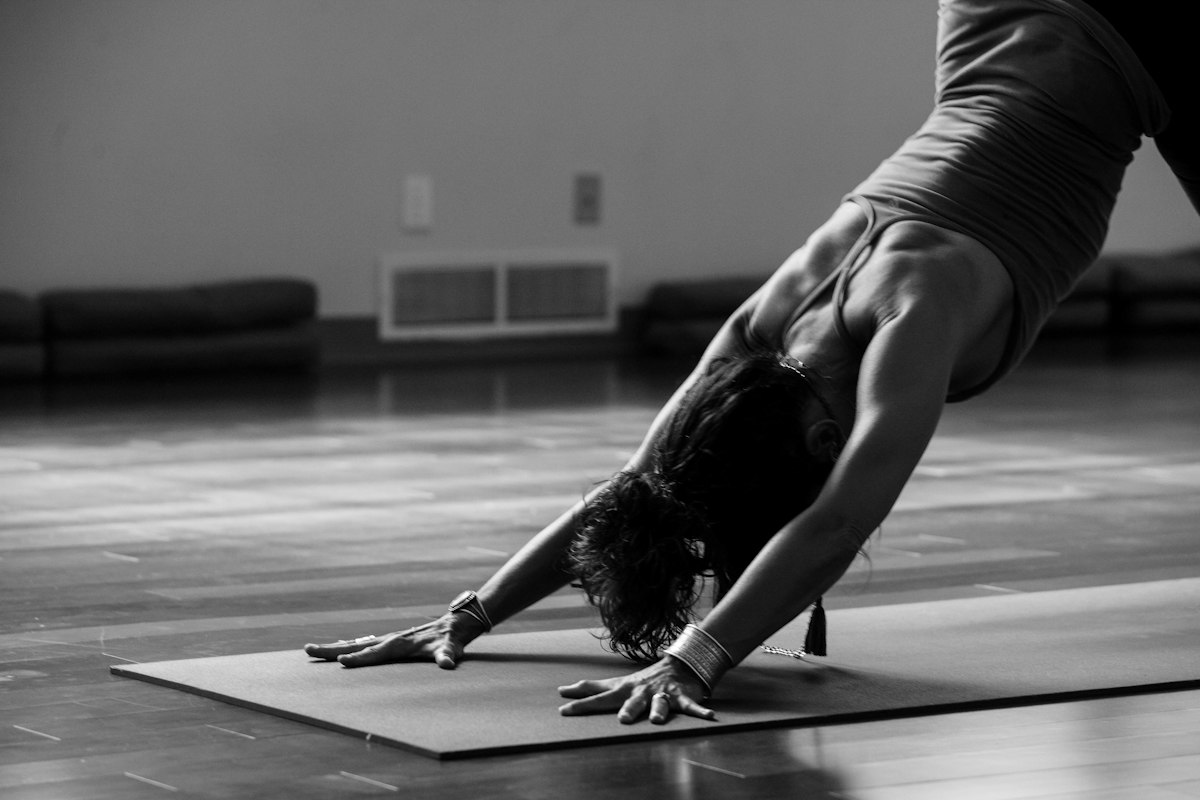
How Vinyasa works
The defining feature is the link between breath and movement: you transition continuously from one pose to the next, guided by the breath. Sequences vary every class, which keeps Vinyasa creative and varied compared with fixed series like Ashtanga.
Benefits
- Builds strength, stamina and cardiovascular fitness
- Improves flexibility and coordination
- Focuses the mind through breath-led movement
- Endlessly varied, so it rarely gets repetitive
Who it's for
Vinyasa suits people who enjoy movement and a bit of challenge. Beginners are welcome in foundational or 'slow flow' classes; faster 'power' Vinyasa offers a vigorous workout for more experienced practitioners.
Vinyasa vs other styles
Vinyasa is more fluid and varied than the structured Ashtanga series, more active than gentle Hatha, and the energetic opposite of slow, still Yin. Many studios in Bali and beyond build their schedules around it.
What a class looks like
A Vinyasa class usually opens with a centring and a few rounds of Sun Salutations to warm the body, then builds toward a peak — a stronger standing sequence, a balance or an arm balance — before cooling down with seated postures, stretches and a final rest (savasana). The thread running through it all is the breath: you inhale to lengthen or open, exhale to fold or twist. Because teachers design their own sequences, no two classes are quite the same, which keeps the practice fresh.
Vinyasa for beginners
You don't need to be fit or flexible to start — just begin with a 'slow flow', 'foundations' or 'level 1' class rather than a fast 'power' class. These move at a gentler pace and break down the key shapes like Downward Dog, Warrior and Chaturanga. Once those feel familiar, faster classes become much more accessible. A good teacher will offer modifications, so take them freely.
Tips to get the most from it
Focus on linking each movement to a breath rather than on getting the pose 'perfect' — the breath is what makes it Vinyasa. Protect your shoulders by lowering the knees in Chaturanga while you build strength, stay hydrated, and rest in Child's Pose whenever you need to. Practising two or three times a week builds noticeable strength, stamina and flexibility within a month or two.
Where Vinyasa comes from
The word vinyasa roughly means 'to place in a special way', and the style grew directly out of Ashtanga yoga in the twentieth century. Teachers took Ashtanga's core idea — linking breath to movement — but freed it from the fixed sequence, allowing each class to be choreographed differently. That creative freedom is why Vinyasa has become the most common style in modern studios worldwide, appearing under names like 'flow', 'power yoga' and 'dynamic yoga'.
Building a Vinyasa practice
Because no two Vinyasa classes are alike, it's worth practising regularly enough to grow comfortable with the common building blocks — Sun Salutations, the Warrior family, balances and the vinyasa transition itself. Mixing studio classes with the occasional Hatha class to refine alignment, and a Yin or restorative session to recover, gives a well-rounded week. Two to three flows a week is enough to build real strength and stamina, and the endless variety means the practice rarely becomes stale.
Find a class in this style
Browse verified schools and retreats on YogaStay and filter by the style that calls to you.
Browse retreats →Frequently asked questions
Is Vinyasa good for beginners?
Yes, in beginner or 'slow flow' classes. Faster power-Vinyasa classes are better once you know the foundational poses.
Is Vinyasa a good workout?
Yes — the continuous flow builds strength and stamina and raises the heart rate, making it one of the more physically active styles.
What's the difference between Vinyasa and Ashtanga?
Ashtanga follows a fixed sequence every time; Vinyasa sequences change from class to class, making it more varied and creative.