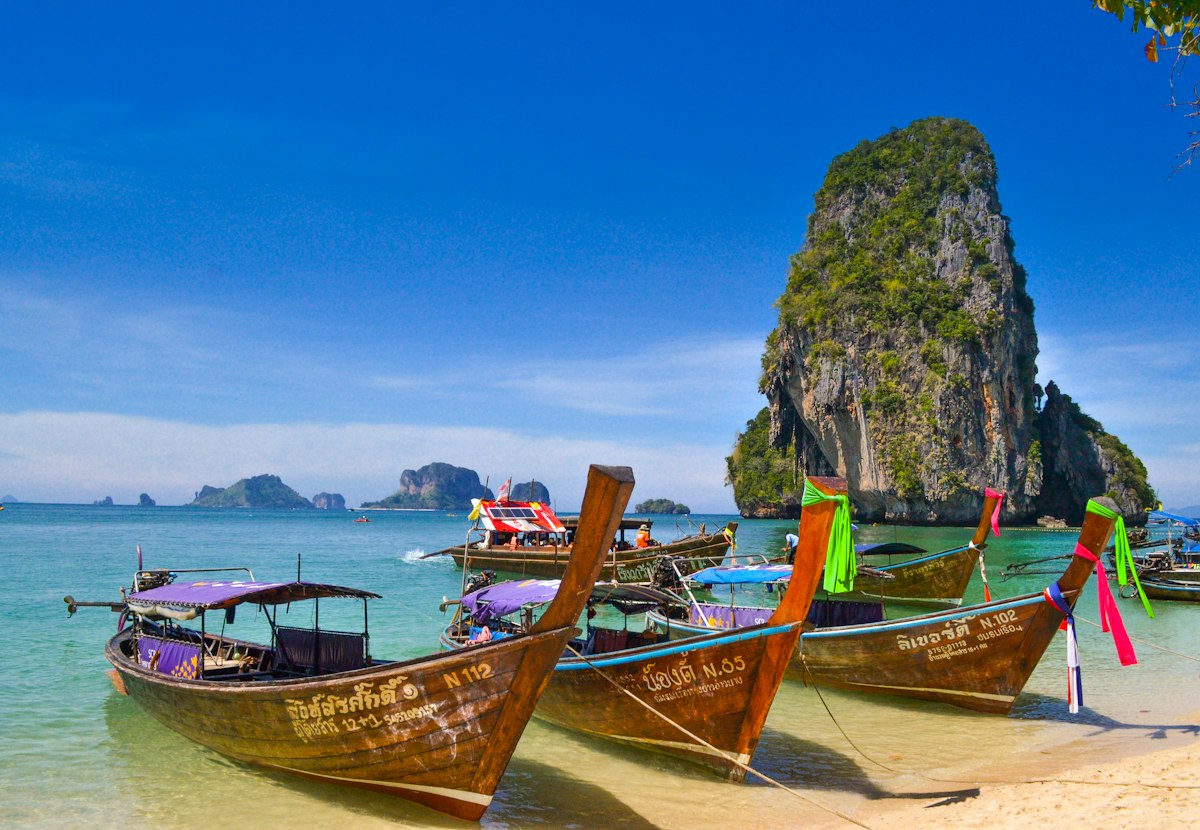
Thailand is simply the easiest place to go
Ease of access does most of the explaining. Thailand remains visa-free for Russian citizens for short stays, flights are plentiful and direct, and the cost of living is low enough that a month of daily practice is realistic rather than aspirational. For a traveller from Moscow or Novosibirsk weighing a yoga trip, the alternatives are harder: India means visa paperwork and thinner connectivity, Europe has become far more difficult, and Bali is a longer and costlier flight.
That practicality compounds. Once a destination becomes normal, the infrastructure follows — Russian-speaking staff, Russian-language signage, familiar food — and the trip stops feeling like an expedition.
There is already a community waiting
This is the part that distinguishes Thailand from anywhere else. Since 2022 a large number of Russians have relocated to Phuket, clustering around Rawai, Bang Tao and further north near Mai Khao. More than 400,000 Russians arrived on the island in the first seven months of 2023 alone — roughly double pre-2022 levels — and the community has since built out its own infrastructure: Russian schools, delis, clinics with Russian-speaking staff, and yoga classes taught in Russian.
For someone nervous about arriving alone in an unfamiliar country, that changes the calculation entirely. You are not the only Russian speaker in the room, and if your English is limited you can still find a teacher you understand.
Yoga was already mainstream at home
It helps that these travellers are not discovering yoga on arrival. Russia has roughly 2,860 yoga studios, with around 740 in Moscow alone and a further 280 in St Petersburg, and studio openings in the big cities grew sharply over recent years. Some 42 percent of regular practitioners are aged 25 to 34 — a young, urban demographic that treats yoga as normal rather than exotic.
Notably, close to nine in ten Russian studios are single-owner operations rather than chains. That produces a lot of independent teachers, many of whom travel for their own training — and a meaningful number of whom have relocated and now teach in Thailand themselves.
Teacher training is the real draw
A short holiday retreat is one thing; the bigger pull is certification. A Yoga Alliance registered 200-hour teacher training in Thailand typically runs somewhere between US$1,500 and US$3,500 including accommodation and often meals — considerably less than an equivalent course in Europe, with better weather and a credential that is recognised internationally.
For a Russian teacher whose route to European training has become complicated, Thailand is now the most straightforward path to an internationally portable qualification. Our guide to the top 10 yoga schools in Thailand covers the established schools region by region.
Where to go, and what each place suits
Phuket is the obvious starting point if the Russian-speaking community matters to you — it is where that community is concentrated, and it has serious training options, including traditional Mysore-style Ashtanga in Chalong. Koh Phangan, and specifically Srithanu, is the country's spiritual centre of gravity: the deepest concentration of teacher trainings, detox centres and alternative healing, and a long-standing international crowd. Koh Samui is the most comfortable option and the easiest to fly into directly. Chiang Mai trades beaches for mountains and temples, with a quieter, more studious atmosphere.
One practical note that catches people out: the Gulf islands (Phangan, Samui, Koh Tao) and the Andaman coast (Phuket, Koh Lanta) have opposite rainy seasons. Check which coast suits your dates before you book anything.
The practical part: visas
Russian citizens can currently enter Thailand visa-free for 30 days. That is enough for most retreats and for the shorter teacher trainings, but it is tight for a full 200-hour residential course: these typically run 23 to 28 days, which leaves very little margin for flights, delays or any rest either side.
If you are booking a longer course, plan the visa question deliberately rather than assuming it will work out — either extend in-country, apply for an appropriate visa in advance, or choose a school offering a hybrid format, where philosophy and anatomy are studied online beforehand and the in-person portion is compressed to around twelve days. Hybrid courses have become noticeably more attractive for exactly this reason.
Visa rules change, and they changed recently for several nationalities. Confirm the current position with the Thai embassy or your airline before you book flights — do not rely on a guide, including this one.
The practical part: paying for things
This is the genuine obstacle, and it is worth understanding before you travel rather than at a hotel desk. Visa and Mastercard suspended their Russian operations in 2022, which means a card issued by a Russian bank will not work in Thailand — not in shops, not at ATMs, and not for booking a course online in advance. Hotels in Phuket and Krabi have at points declined Russian cards outright.
What does work: cash, carried in and exchanged locally, which remains the most common approach; UnionPay cards, which are accepted reasonably widely in Thailand; QR-code payments, which as of 2026 have been extended to Russian travellers in Thailand along with several other destinations; and any card issued by a bank outside Russia, which functions completely normally.
The implication for booking a course is straightforward: sort out how you will pay the deposit before you fall in love with a school. Many schools will accept a bank transfer or will hold a place pending arrival — ask them directly, early, and in writing.
Choosing a school without being burned
Thailand's yoga sector is essentially unregulated, and the gap between a long-established school and a well-photographed new one can be considerable. A few checks cover most of the risk.
Confirm the school is Yoga Alliance registered if the certificate matters to you — this is the difference between a qualification you can teach on internationally and a souvenir. Read recent reviews rather than the testimonials on the school's own page. Ask for the daily schedule and the group size, both of which vary enormously. And confirm exactly what is included — accommodation, meals, materials, and whether the Yoga Alliance registration fee is extra. Our guide on how to choose a yoga retreat goes through this properly.
What to bring
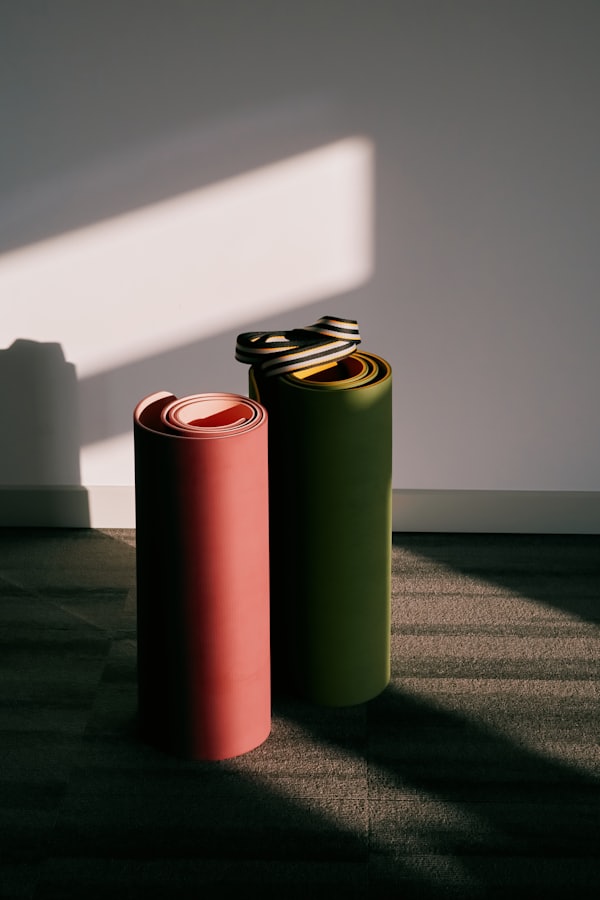
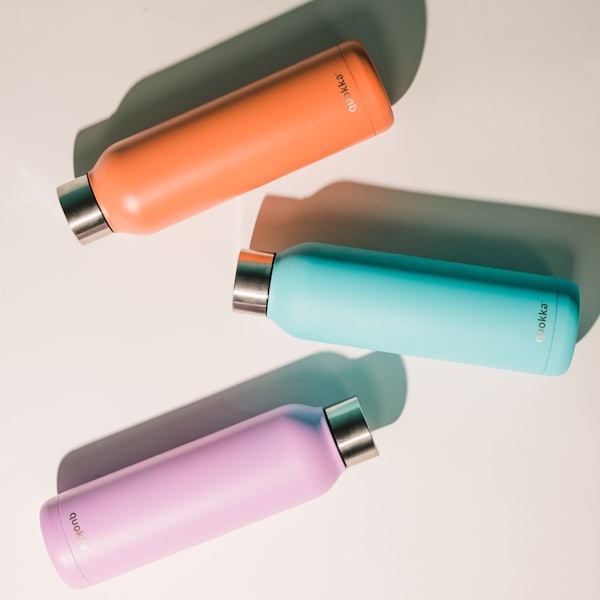
Most schools provide mats, but Thai humidity is relentless and anything that stays damp overnight will still be damp in the morning.
The bottom line
Thailand has become the default yoga destination for Russian travellers for unglamorous reasons: it is reachable, it is affordable, the training is internationally recognised, and there is already a Russian-speaking community on the ground. The yoga itself is genuinely world class — that part is not a compromise.
The two things to sort out in advance are the visa length against your course length, and how you will actually pay. Neither is difficult, but both are much easier to solve at home than on arrival. When you are ready to choose, the top 10 yoga schools in Thailand is the place to start, and if you are weighing Thailand against Indonesia, the best schools in Bali covers the alternative.
Ready to find your retreat?
Browse verified yoga schools and retreats worldwide — accommodation included, no booking fees.
Browse retreats →Frequently asked questions
How long can Russians stay in Thailand without a visa?
Russian citizens can currently enter Thailand visa-free for 30 days. That covers most retreats and shorter courses, but a full 200-hour teacher training usually runs 23 to 28 days and leaves little margin — so plan extensions or an appropriate visa in advance. Visa rules change, so always confirm the current position with the Thai embassy before booking flights.
Can Russians pay by card in Thailand?
Not with a card issued by a Russian bank — Visa and Mastercard suspended Russian operations in 2022, so those cards do not work in Thai shops, ATMs or for online bookings. Cash, UnionPay cards, QR-code payments and any card issued outside Russia all work. Arrange how you will pay a course deposit before booking.
Where in Thailand is the Russian community based?
Overwhelmingly in Phuket, concentrated around Rawai, Bang Tao and Mai Khao in the north. The island has Russian schools, shops, clinics with Russian-speaking staff and yoga classes taught in Russian. Koh Phangan and Koh Samui also have Russian-speaking residents, though in smaller numbers.
Is a yoga teacher training in Thailand internationally recognised?
If the school is Yoga Alliance registered, yes — graduates can register as an RYT 200 and teach internationally. Always verify the school's registration directly with Yoga Alliance rather than taking a website's word for it, and check whether the registration fee is included in the course price.
How much does a yoga teacher training in Thailand cost?
Most 200-hour courses fall between roughly US$1,500 and US$3,500, usually including accommodation and often meals. Price mostly reflects the standard of accommodation rather than the teaching, so compare exactly what is included before choosing on price alone.