
Stress is the new reason we practise
For years, people came to yoga to touch their toes. Not any more. Surveys now put stress relief as the top reason people practise, ahead of flexibility and fitness, and mental health and wellbeing as the biggest single motivation for booking a retreat. It reflects the world we live in: always-on work, endless notifications and a low hum of pressure that never quite switches off.
Yoga has quietly become one of the most accessible tools for turning that volume down — which is exactly why stress- and burnout-focused retreats are among the fastest-growing corners of wellness travel.
What chronic stress and burnout do to you
A little stress is healthy; it is the constant, unrelenting kind that wears you down. When the body stays stuck in fight-or-flight, cortisol and adrenaline stay elevated, and the effects pile up — disturbed sleep, tight shoulders and jaw, a racing or foggy mind, shallow breathing, low mood and a shorter fuse.
Left unchecked, chronic stress tips into burnout: a deeper state of physical and emotional exhaustion, cynicism or detachment, and the feeling that you have nothing left to give. Burnout is not simply tiredness that a good night's sleep fixes — it builds over months and needs a genuine reset, not just a lie-in.
How yoga calms the nervous system
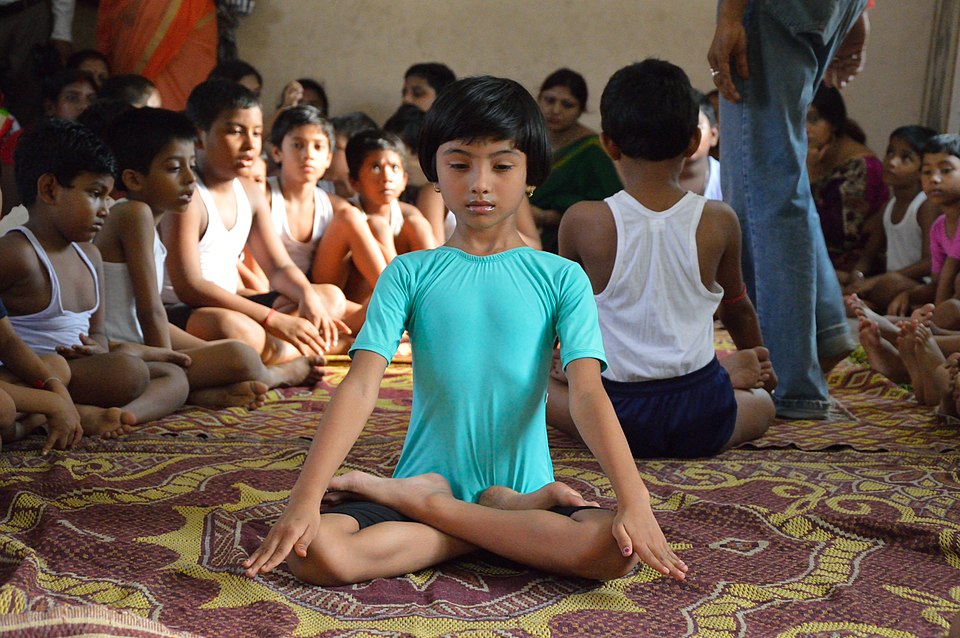
Yoga's real power over stress is not the stretching — it is the breath. Slow, controlled breathing, especially lengthening the exhale, is a direct lever on the nervous system, switching the body out of fight-or-flight and into the rest-and-digest state where recovery happens. Practised regularly, yoga is shown to lower cortisol, ease anxiety, and improve sleep and mood.
The gentler styles do the most here: Yin, restorative and Hatha, along with Yoga Nidra (‘yogic sleep’) and simple meditation, are far more calming than a fast, sweaty power class — which, pushed to exhaustion, can add to the load rather than lift it. For the everyday case, see why everyday yoga matters.
Why a retreat resets you when daily life can't

A short home practice helps, but stress and burnout are usually fed by the very environment you are trying to relax in — the same desk, the same phone, the same 3pm dread. A retreat works because it removes you from all of it at once. For a few days you swap notifications for nature, decisions for a gentle timetable, and isolation for a small community of people doing the same.
Twice-daily practice, real downtime, unhurried meals and proper sleep let your nervous system finally stand down — and a good teacher guides you deeper into breathwork and stillness than you would reach alone. It is the difference between topping up and truly refilling. For the essentials of choosing well, read how to choose a yoga retreat.
What to look for in a stress or burnout retreat
Not every retreat is restful — some pack the day with intense classes. For a genuine reset, look for:
- A slower, balanced schedule — Yin, restorative and Hatha, not only dynamic power yoga.
- Breathwork, meditation and Yoga Nidra on the timetable — these do the heavy lifting for stress.
- Real downtime built in — free afternoons, nature and space to do nothing, rather than a packed itinerary.
- A nature-rich, quiet setting — forest, mountain or coast beats a busy party town.
- Small groups, good food and good sleep, qualified teachers, and a fair, clear cancellation policy.
Where to go
The best settings for a stress reset are calm and close to nature. In Europe, off-grid escapes such as a Portuguese forest or a tiny Greek island are as restorative as it gets — see our pick of the best yoga retreats in Europe. In Asia, Bali's Ubud is built for slow, healing practice — the top schools in Indonesia and our Bali guide are a good start — while Kerala pairs gentle yoga with Ayurveda for deep rest (see the Kerala guide).
Wherever you go, quieter and slower beats louder and busier when the goal is to recover — choose the setting that lets you exhale the moment you arrive.
Start before you go: five minutes to downshift
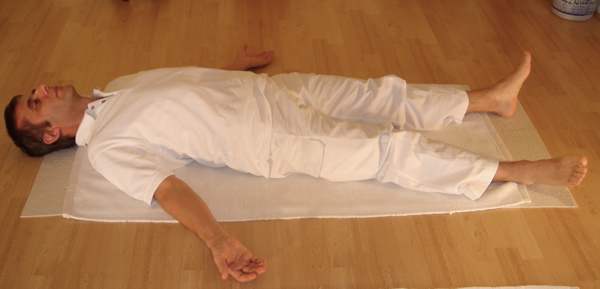
You do not have to wait for a retreat to feel the effect. Try this tonight:
- Extend your exhale: breathe in for a count of four and out for six or eight, for two minutes — the fastest way to calm the nervous system.
- Legs up the wall: lie on your back with your legs resting up a wall for a few minutes to slow everything down.
- Child's pose or a gentle forward fold: a minute of soft folding releases the back and turns the mind inward.
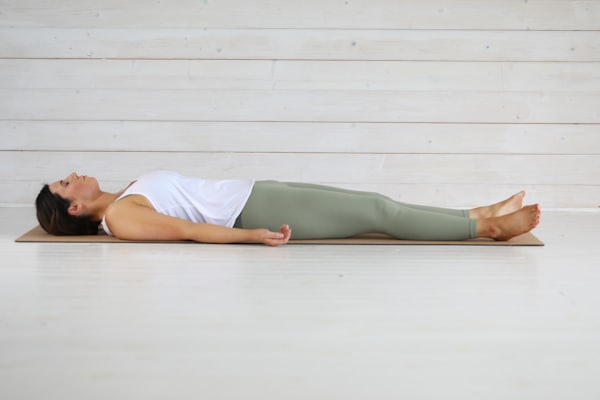
- Savasana or Yoga Nidra: finish flat on your back, completely still, following the breath — even five minutes counts.
The bottom line
Stress and burnout are the reason more people than ever are turning to yoga — and for good reason: the breath-led, restorative side of the practice is genuinely effective at calming an overloaded system. A short daily practice keeps you topped up; a retreat, in the right nature-rich setting, can properly refill the tank.
When you are ready to book one, choose a place you can trust — verified, with real reviews, secure payment and fair cancellation. That is exactly what YogaStay is for: browse verified yoga retreats worldwide and give your mind the reset it has been asking for.
Ready to find your retreat?
Browse verified yoga schools and retreats worldwide — accommodation included, no booking fees.
Browse retreats →Frequently asked questions
Which type of yoga is best for stress and burnout?
The slower, breath-led styles — Yin, restorative, Hatha and Yoga Nidra — plus meditation and breathwork. Fast, intense power yoga helps some people, but pushed to exhaustion it can add to the load rather than ease it.
How long a retreat do I need to recover from burnout?
Even a weekend helps you downshift, but five to seven days lets your nervous system genuinely reset. Deeper burnout benefits from a longer, slower stay — and sometimes professional support alongside it.
Can yoga alone cure burnout?
Yoga is a powerful tool, but burnout usually needs a bigger picture — sleep, boundaries, workload and sometimes medical or psychological support. A retreat is a superb way to jump-start recovery, not a substitute for it.