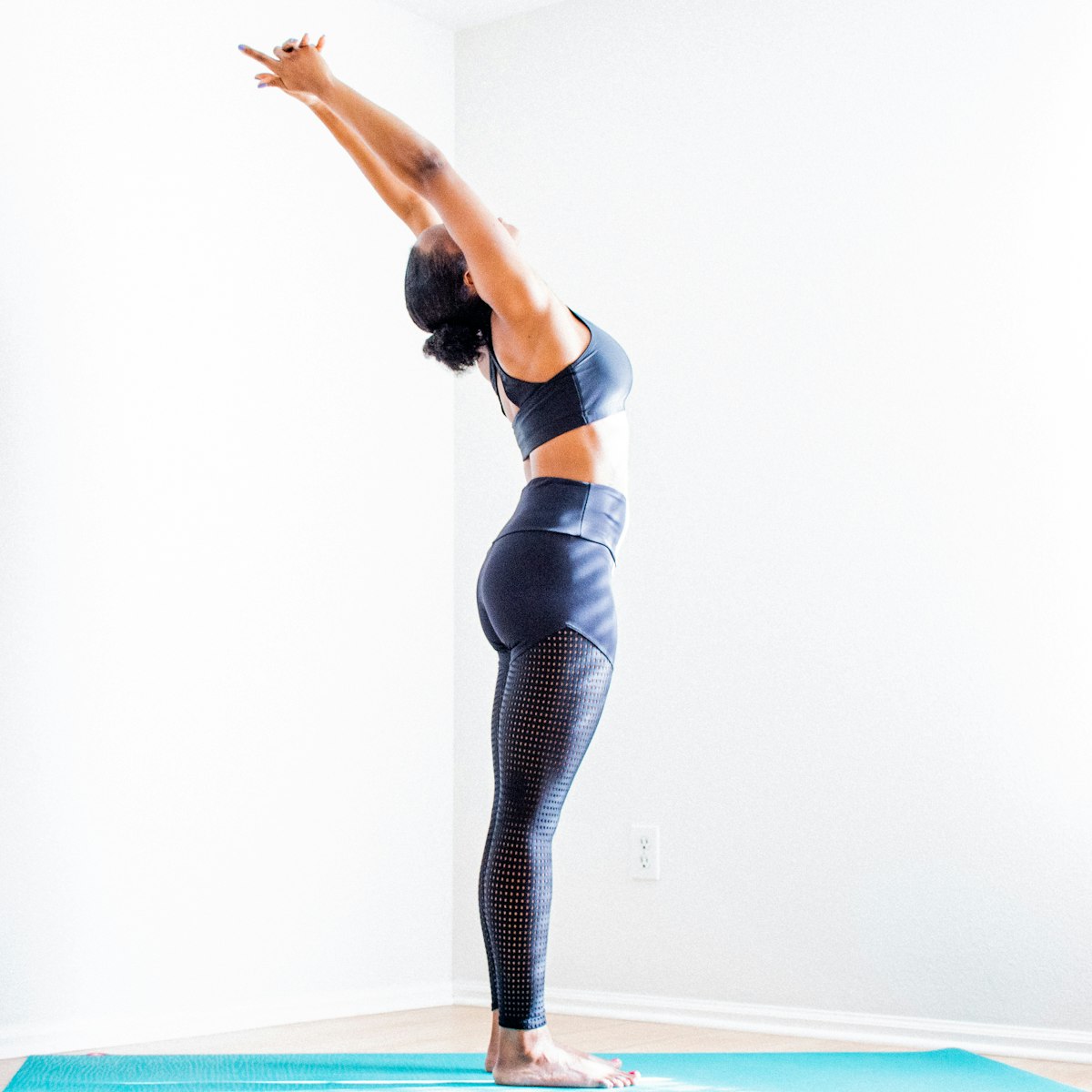
How hot yoga works
In a hot yoga class the room is heated (and often humidified) so the body warms quickly and sweats freely. ‘Hot yoga’ is an umbrella term rather than a single style. The best-known form is Bikram — a fixed sequence of 26 postures and two breathing exercises practised at around 40°C and 40% humidity — but most modern studios now run their own hot Vinyasa, hot Hatha or ‘26&2’ classes, which take the heat but vary the poses and pace.
The real benefits
- The warmth increases short-term flexibility and range of motion, so poses can feel more accessible
- It raises the heart rate, adding a cardiovascular and endurance element
- The intensity builds mental focus, discipline and a strong sense of accomplishment
- Many people find the heavy sweat and the challenge genuinely stress-relieving and energising
An honest word on the claims
Hot yoga is often marketed as ‘detoxing’ you by ‘sweating out toxins’ — this is a myth. Sweat is mostly water and salt; it's your liver and kidneys that actually remove toxins, not your pores. You'll feel refreshed and lighter, and that's real — but it's the practice, hydration and rest doing the work, not detoxification. Calorie burn is also frequently overstated: hot yoga is a good workout, but the heat inflates how hard you feel you're working more than how many calories you actually burn.
The risks — and who should be careful
The heat is exactly what makes hot yoga riskier than a normal class, so go in informed. The main issues are dehydration, dizziness, nausea and overheating, and — because warm muscles let you stretch further than usual — a real risk of overstretching and straining when the heat masks your natural limits.
Hot yoga is not recommended without medical clearance if you are pregnant, have heart problems, low blood pressure, are prone to fainting, are sensitive to heat, or take medication that affects hydration or heat regulation. If you ever feel light-headed or unwell, stop, sit or lie down, and leave the room — that is completely normal and expected, not a failure.
What a hot yoga class feels like
The heat hits you the moment you walk in. Early on it can feel overwhelming — you sweat within minutes and the first few poses feel harder than usual. As you settle, many people find a rhythm where the warmth becomes almost meditative and the body moves more freely than in a cool room. A class typically runs 60 to 90 minutes and ends, like most yoga, with a final rest. Expect to sweat a lot, to need water, and to feel pleasantly wrung-out afterwards.
What to wear and bring
- Light, fitted, sweat-wicking clothing — loose cotton gets heavy and clingy once soaked
- A large towel and a grippy mat towel — your mat gets slippery with sweat
- Plenty of water, ideally with a pinch of electrolytes, and arrive well hydrated
- Come on a light stomach — avoid a heavy meal for two to three hours beforehand



Tips for your first class
Tell the teacher it's your first hot class so they can keep an eye on you. Set the bar at simply staying in the room and breathing calmly — not at nailing every pose. Drink water before, during and after, take Child's Pose or sit down whenever you need to, and resist the urge to push deeper into stretches just because the heat lets you. Give yourself a couple of classes before you judge it; the first is almost always the hardest, and most of what felt overwhelming settles quickly.
Bikram vs hot yoga: a note on names
You'll see ‘Bikram’, ‘hot yoga’ and ‘26&2’ used almost interchangeably. Bikram refers specifically to the original 26-posture sequence created by Bikram Choudhury. After serious misconduct allegations against its founder, many studios deliberately moved away from the ‘Bikram’ name — teaching the same or a similar sequence as ‘hot yoga’ or ‘26&2’, or designing their own hot classes entirely. The practice itself is widely taught and enjoyed; the rename is mostly about distancing it from the founder.
Is hot yoga right for you?
Hot yoga suits people who enjoy intensity, sweat and a clear physical challenge, and who like the discipline of a hot room. If you find heat draining, are new to exercise, or your main goal is to relax and de-stress, a cooler practice may serve you better — Yin or gentle Hatha for calm, or Vinyasa for movement without the heat. Many people happily mix hot classes with cooler ones through the week. If you're curious, try a beginner-friendly hot class at a reputable studio — several schools on YogaStay, including in Bali's Ubud, offer it (see our top schools in Indonesia), and you can browse verified schools and retreats worldwide to find one near you.
Find a class in this style
Browse verified schools and retreats on YogaStay and filter by the style that calls to you.
Browse retreats →Frequently asked questions
Is hot yoga good for beginners?
It can be, but start gently: choose a beginner-friendly class, hydrate well, and make your only goal staying calm in the room. Anyone pregnant or with heart, blood-pressure or heat-sensitivity issues should get medical clearance first.
Does hot yoga detox your body or burn lots of calories?
Not really. ‘Sweating out toxins’ is a myth — your liver and kidneys do that. It's a solid workout, but the heat makes it feel harder than the actual calorie burn. The benefits are real; the marketing is often overstated.
What should I bring to a hot yoga class?
Light sweat-wicking clothes, a large towel and a grippy mat towel, and plenty of water (ideally with electrolytes). Arrive hydrated and avoid a heavy meal for a few hours beforehand.
How is hot yoga different from Bikram?
Bikram is a specific fixed 26-posture sequence at ~40°C. ‘Hot yoga’ is the broader term for any yoga in a heated room — including hot Vinyasa and Hatha and ‘26&2’ classes that vary the poses.